Closing Up Your Shore House: A Fall Landscape Checklist for LBI Second Homeowners
Second homeowners on Long Beach Island know the last weekend of the season. The beach chairs get hosed off one more time, the fridge gets emptied, and there’s that last walk to the beach before packing up the car and heading back over The Causeway.
Most closing-up lists focus on the inside of the house: water heater, thermostat, pipes. The outside gets less attention, and that’s usually where the surprises are waiting in spring. When you winterize your shore house on LBI, the yard, the sprinklers, and everything on the patio need a plan too, because nobody will be around to catch a problem until you’re back. This checklist covers the outdoor side, so the house is ready for winter and ready to open next season.
Why Winterizing Your Shore House on LBI Starts Outside
A house in Manahawkin, for example, has neighbors around all winter. A lot of streets on the island go quiet after the fall, and a second home can sit for weeks without anyone walking past it.
What Happens to an Empty Property Over the Winter
The outside of a shore house takes the brunt of the off-season. Wind pushes sand and debris into beds and against foundations. Salt spray settles on furniture, fixtures, and plants. Freezing temperatures go after anything that still has water in it, including sprinkler lines and hoses. A nor’easter can toss an unsecured chair or planter into a window or a neighbor’s yard.
None of this is unusual for the island. It just adds up when no one is there to deal with it as it happens.
The Cost of Waiting Until Spring
A cracked sprinkler pipe doesn’t announce itself in January. It shows up in April, when the system gets turned on and a zone floods or doesn’t run at all. The same goes for furniture left out all winter, overgrown shrubs that split in a storm, or beds that blew bare and filled with weeds.
Fixing all of that at once, right as the season starts, is more expensive and more stressful than spending a little time on it now. A few hours of prep in the fall usually means opening day feels like opening day, not a project.
The Outdoor Checklist: Before You Leave for the Season
Work through these before the last trip home, or hand them off to someone who can.
1. Schedule a Fall Cleanup
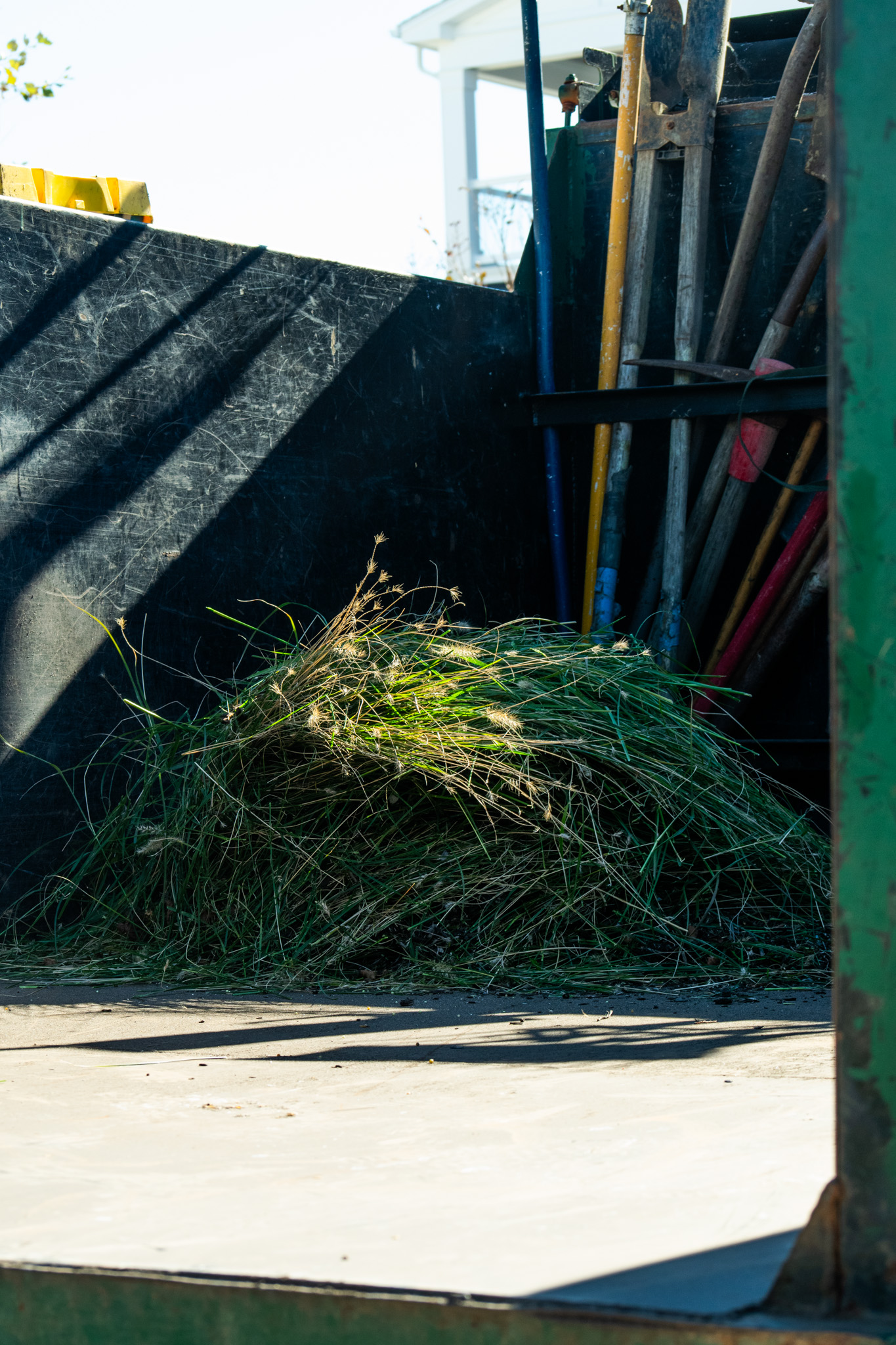
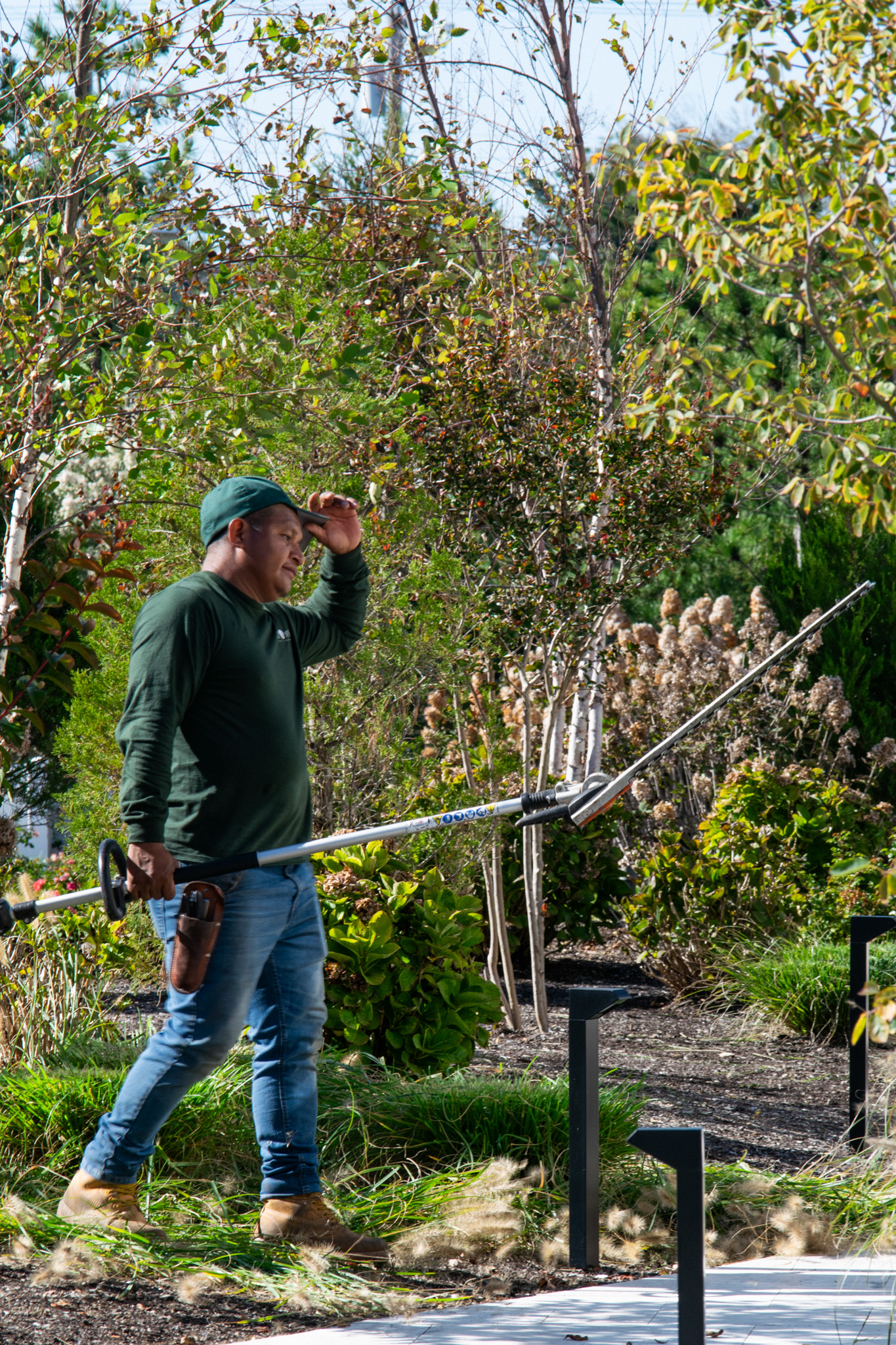
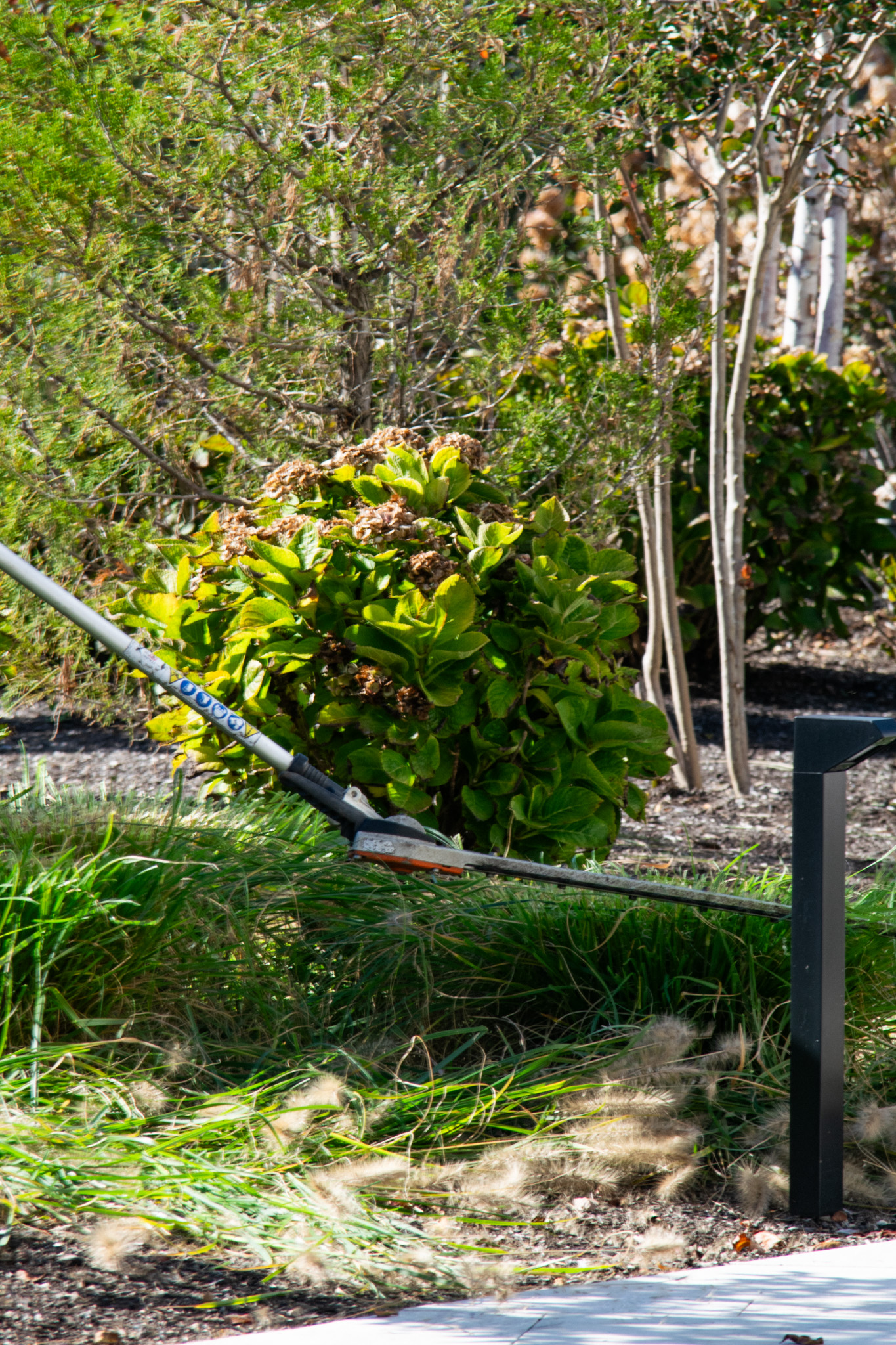
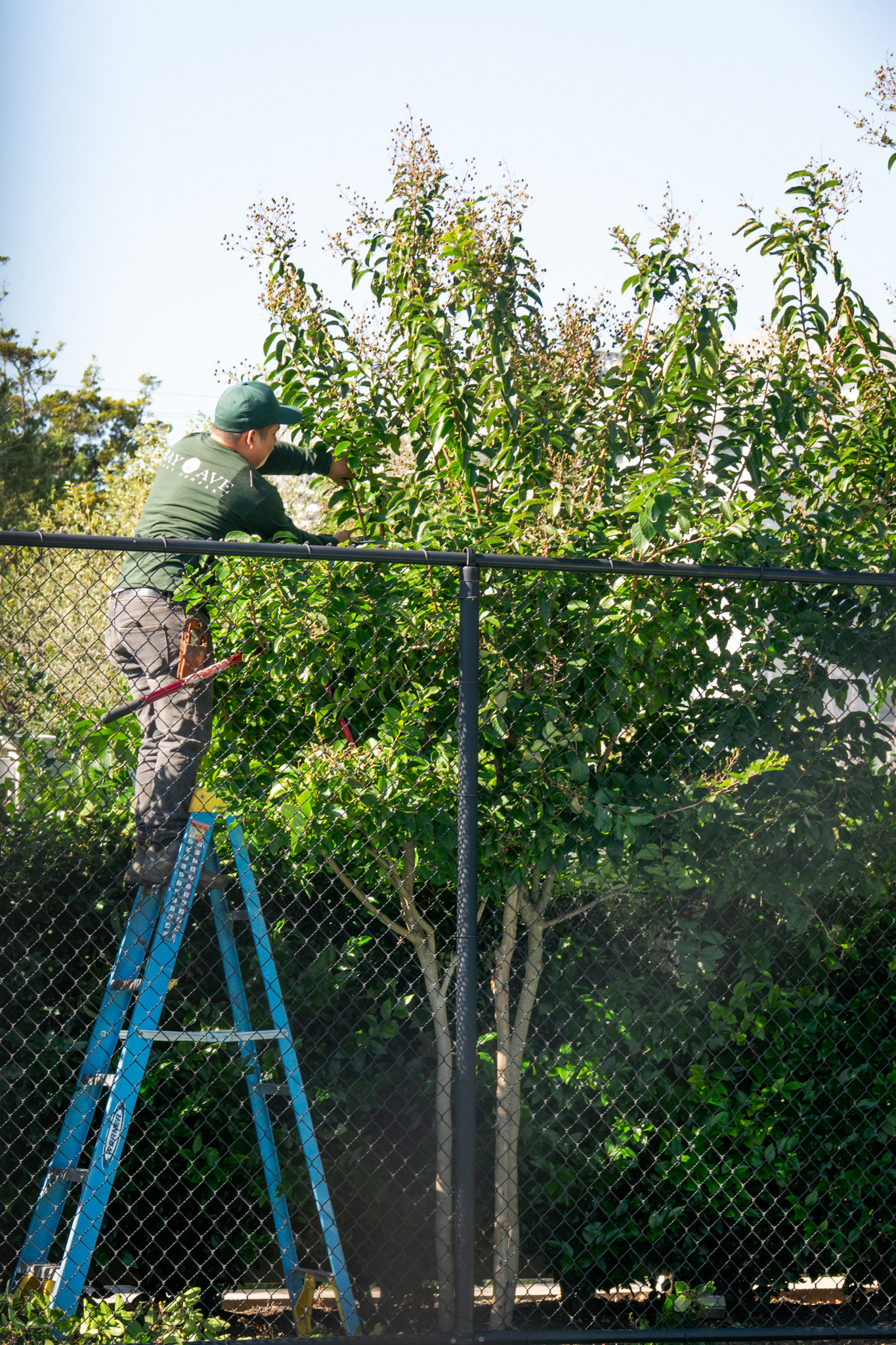
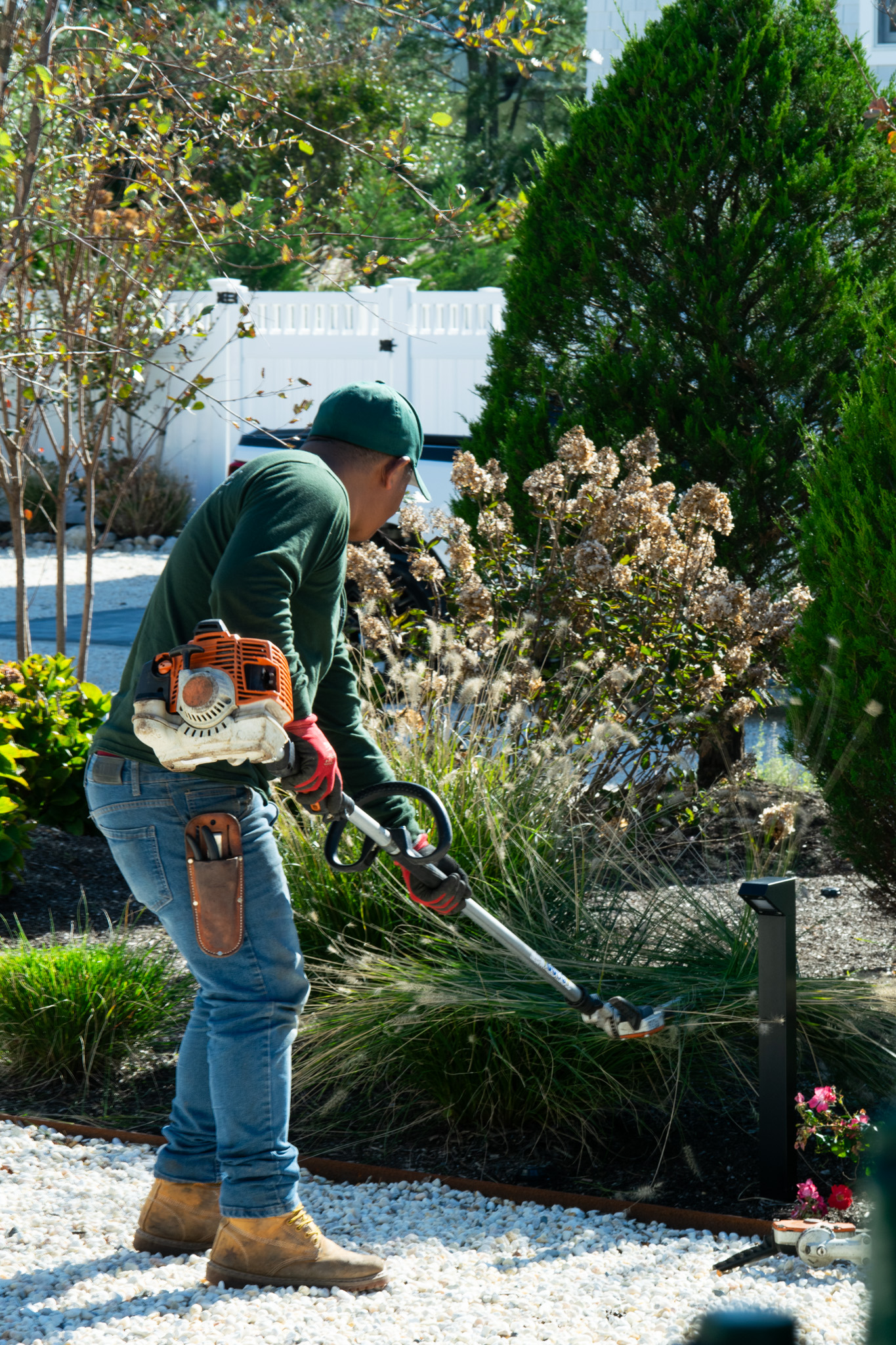
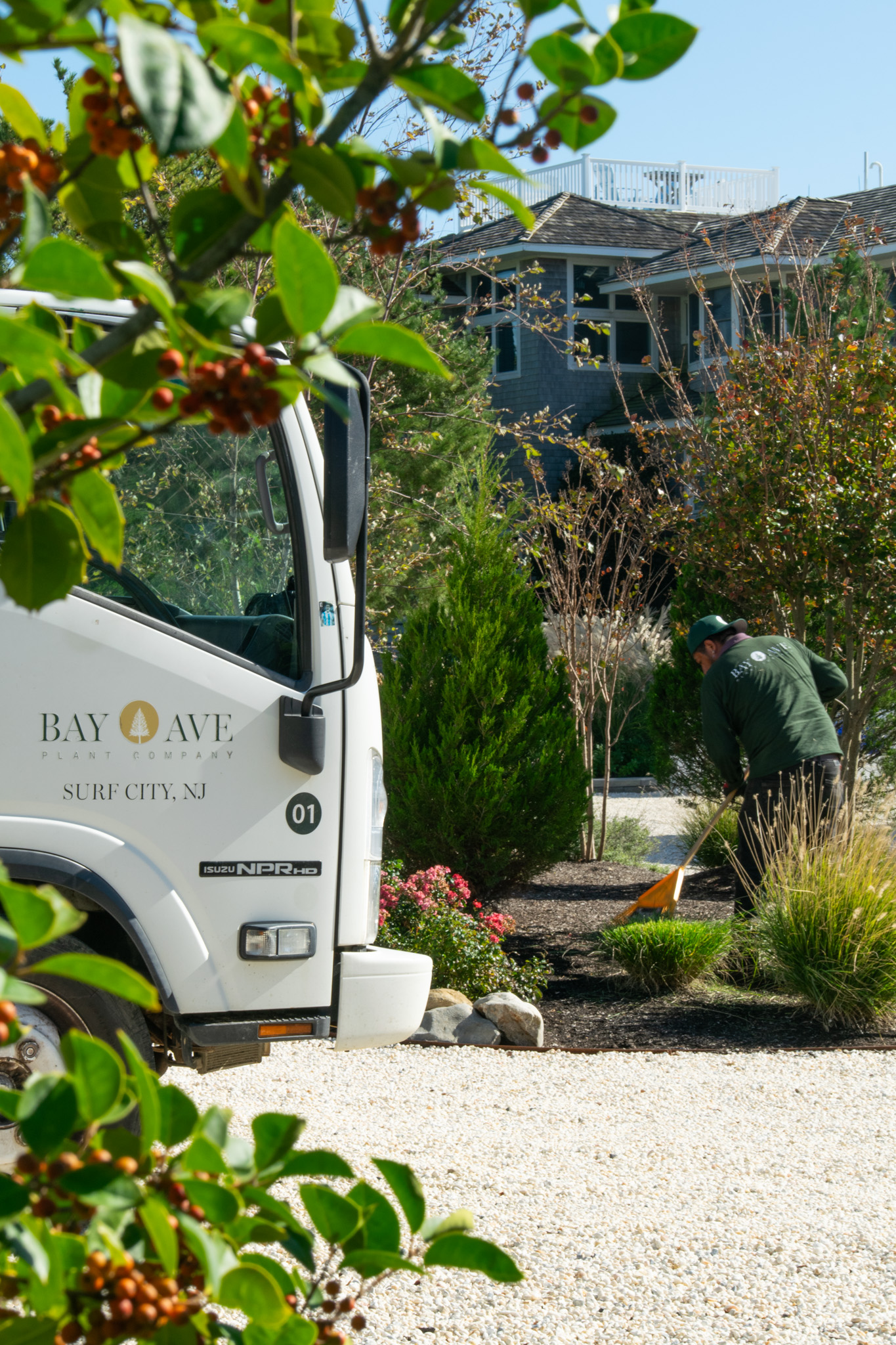
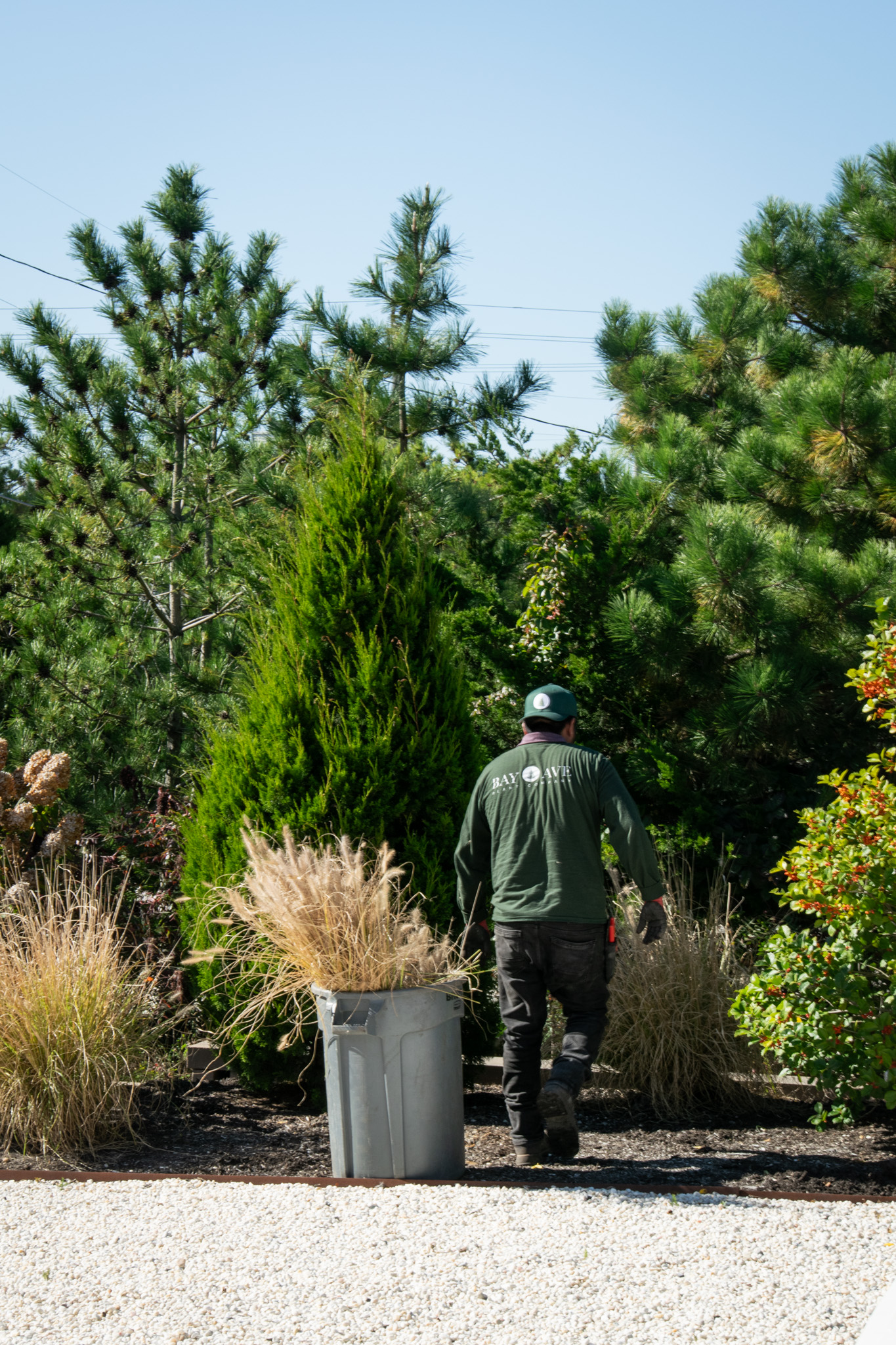
Leaves, spent perennials, and overgrown branches are easier to deal with now than after a winter of storms. A fall cleanup clears debris, trims back what needs it, and puts fresh mulch on the beds so they don’t blow out to bare sand.
2. Shut Down and Winterize the Sprinkler System
This is the one that causes the most spring headaches when it gets skipped. Any water left in the lines, valves, or backflow preventer can freeze and crack them. A professional winterization clears the system with compressed air so there’s nothing left to freeze. We handle winterization as part of our irrigation services. While you’re at it, disconnect garden hoses from outdoor spigots and drain them before storing.
3. Store, Cover, or Secure Outdoor Furniture and Umbrellas
Good outdoor furniture is built to handle the weather, but covers and a little seasonal care go a long way toward making it last. Cushions and pillows should come inside, since they hold moisture all winter. Market umbrellas should be closed, taken down, and stored, because winter wind is hard on canopies and bases. Anything lightweight that can’t be stored should be secured. If you’re thinking about replacing pieces next year, check out the coastal-tough brands we carry,
4. Empty or Protect Containers and Planters
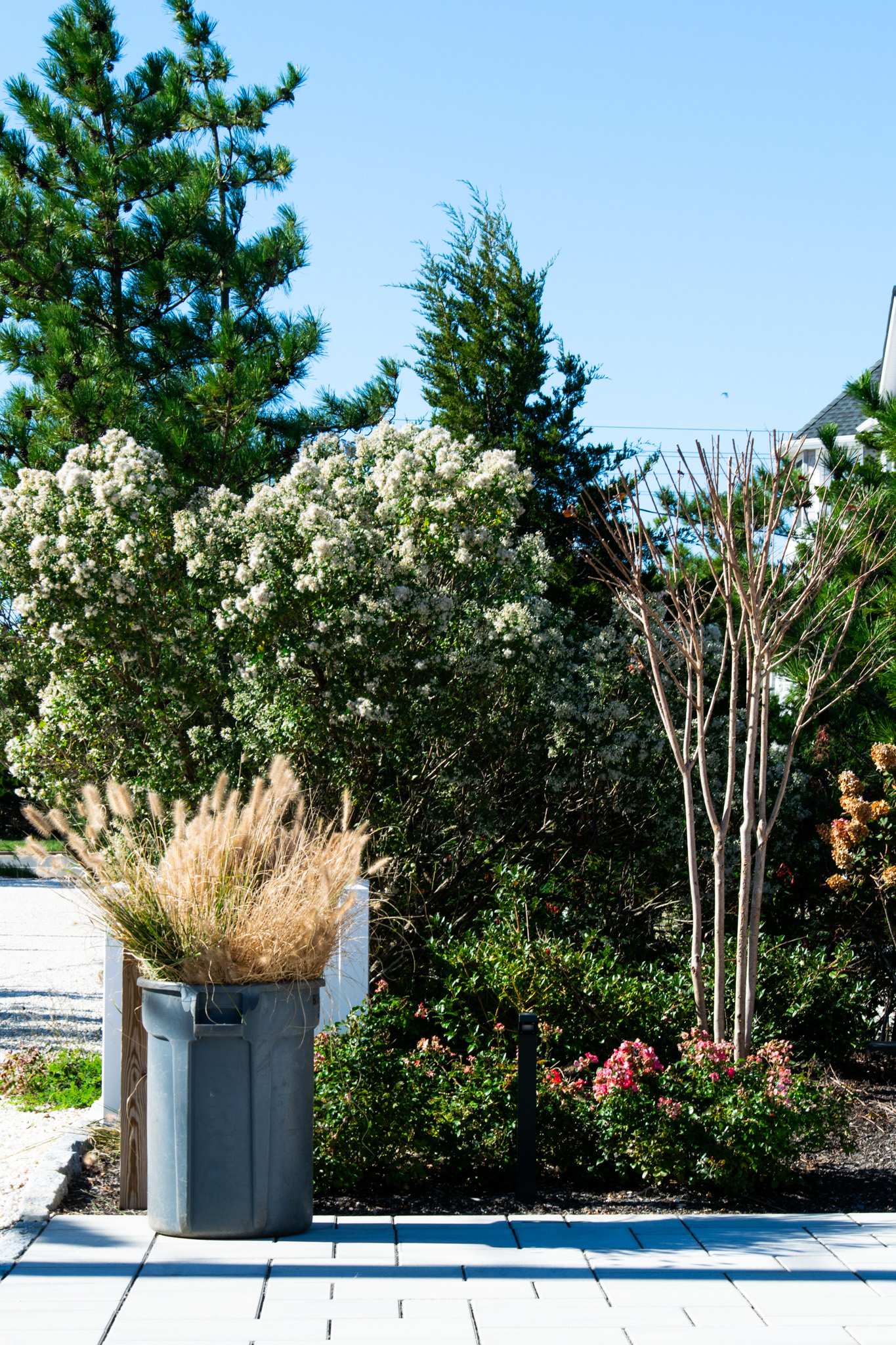
Pots on the deck and porch are easy to forget. Annuals are done for the year, so pull them and empty the soil. Terra cotta and glazed ceramic pots can crack when wet soil freezes and thaws, so store them somewhere dry or turn them upside down. Larger planters that stay put can be cleaned out and replanted next spring.
5. Check Outdoor Kitchens and Fire Features
Clean the grill and the counters, and follow the manufacturer’s instructions for closing out any appliances, refrigerators, or sinks. Covers help keep salt and debris off stainless steel and stone over the winter. For gas grills, fire pits, and fire tables, check the manufacturer’s guidance or have a licensed professional confirm everything is shut off properly before you go.
6. Clear Patios, Walkways, and Drainage Areas
Sweep sand and leaves off patios and walkways, and make sure drains, gutters, and low spots are clear. Water needs somewhere to go during a winter storm, and clogged drainage is how puddles turn into ice and settling. It’s also a good time to walk the hardscape and note any pavers that have shifted or joints that need fresh sand.
7. Set Landscape Lighting Timers
A dark house on a quiet street stands out. Landscape lighting on a timer or smart controller keeps the property looking lived-in and lights up paths, steps, and entries for anyone checking on the house. If some fixtures are out or aimed wrong, the fall is a good time to get them serviced.
8. Remove Loose Items Before Storm Season
Take a final lap around the property. Trash cans, hoses, kayaks, beach carts, outdoor decor, and anything else that could catch the wind should be put away or tied down. If you’re on the bay side, think about anything stored at ground level that could get wet during a high tide or storm surge.
Keeping an Eye on Things While You’re Away
Closing up well is half the job. The other half is knowing someone will notice if something goes wrong.
Why Access Matters
Owners don’t need to be on the island for maintenance visits. Many of our clients maintain vacation and second homes, and as long as the crew has access to the property, the work gets done whether you’re there or not. Before you leave, it helps to confirm that gates are unlocked or that your landscape team has the gate code.
Planning Ahead for Opening Day Next Spring
The best time to think about next summer is right after closing up for this one, while what worked and what didn’t is still fresh.
A few things to line up next year:
- Spring cleanup. Getting on the schedule early means beds are cleaned out, mulched, and fed before the first summer weekend.
- Irrigation start-up. Most LBI systems are ready to turn back on between late March and early June, depending on the weather. A professional start-up catches any problems before the plants need water.
- Bigger projects. A new patio, outdoor kitchen, pool, or planting plan takes time to design, permit, and build. Our in-house designers recommend starting in the fall to have a project done by summer.
Make a quick list or snap a few photos of the yard before you leave. Next March, it’s a lot easier to remember what needs attention.
Let Bay Avenue Plant Company Close Up Your Shore House
We know what it’s like to leave a place you love for the winter. We’ve been taking care of properties on Long Beach Island since the early 1990s, and a lot of our clients are second homeowners who count on us to look after things while they’re away.
We can take the outdoor side of closing up off your plate: fall cleanup, sprinkler winterization, and lighting service. When spring comes around, we’ll handle the cleanup and irrigation start-up so the yard is ready before you are.
Heading home for the season? Get in touch with our team or use our Maintenance Request Form to get on the fall schedule.
Plan the outdoor work for your last few weeks on the island in the fall, and make sure the sprinkler system is winterized before the first hard freeze. Booking cleanup and winterization early makes it easier to get the dates you want.
No. Owners don't need to be on site for landscape work. As long as our crew has access to the property, fall cleanup and sprinkler winterization can be done after you've gone home.
No. Many of our clients maintain second homes and vacation properties and are rarely on the island during service visits. Just make sure gates are accessible.
Outdoor showers are part of the house's plumbing, so closing them out for winter is a job for your plumber or the person who handles your interior winterization. Add it to their list so it doesn't get missed.
High-quality outdoor furniture is designed to handle year-round exposure, but covers and occasional seasonal care help it last longer. Cushions, pillows, and umbrella canopies should come inside.
Yes. Disconnect hoses from outdoor spigots, drain them, and store them so they don't freeze, crack, or blow around in a storm.
Yes. We maintain rental properties on the island and keep their landscapes guest-ready in season, along with fall and spring cleanups to bookend the year.
Most LBI properties are ready for spring start-up between late March and early June, depending on the weather. Starting too early risks a late freeze, so start-ups are scheduled once temperatures settle.
Yes. Our maintenance services cover all three, and bundling them into one request is the easiest way to close up the outside of the house.
Yes. Our designers recommend starting the design process in the fall, which leaves time for planning, approvals, and material selection before spring construction.
Reach out and our team will help put together a close-up plan for your property.